Hurricane Roof Guide: 7 Best Tips to Protect Your Florida Home
Hurricane Roof Guide: 7 Best Tips to Protect Your Florida Home
A hurricane roof is the most important protection a Florida home has against tropical storms. Millions of people visit the Sunshine State every year for its beaches, warm subtropical weather, and theme parks. Since the COVID-19 pandemic, Florida has also been one of the top places Americans move to. Living here means getting ready for hurricane season every year, and that starts with the roof over your head.
Florida has had more hurricane landfalls than any other state on record. A direct hit on any one town is rare, but the risk adds up over the years. This guide covers how wind damages roofs, which materials make the best hurricane roof, and seven upgrades that help keep your roof attached when the next storm comes.
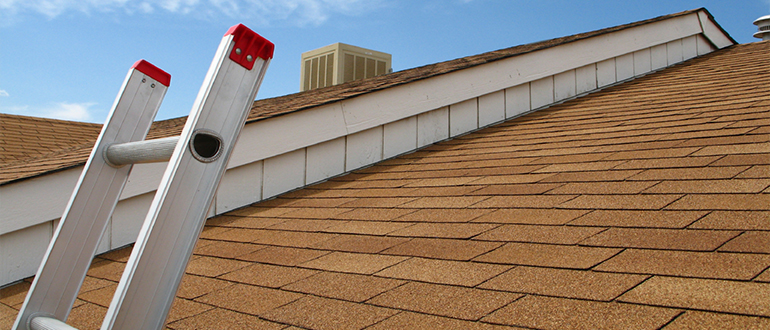
Hurricane roof inspection on an Orlando home
Alt text: Hurricane roof inspection on an Orlando home
Why Every Florida Home Needs a Hurricane Roof
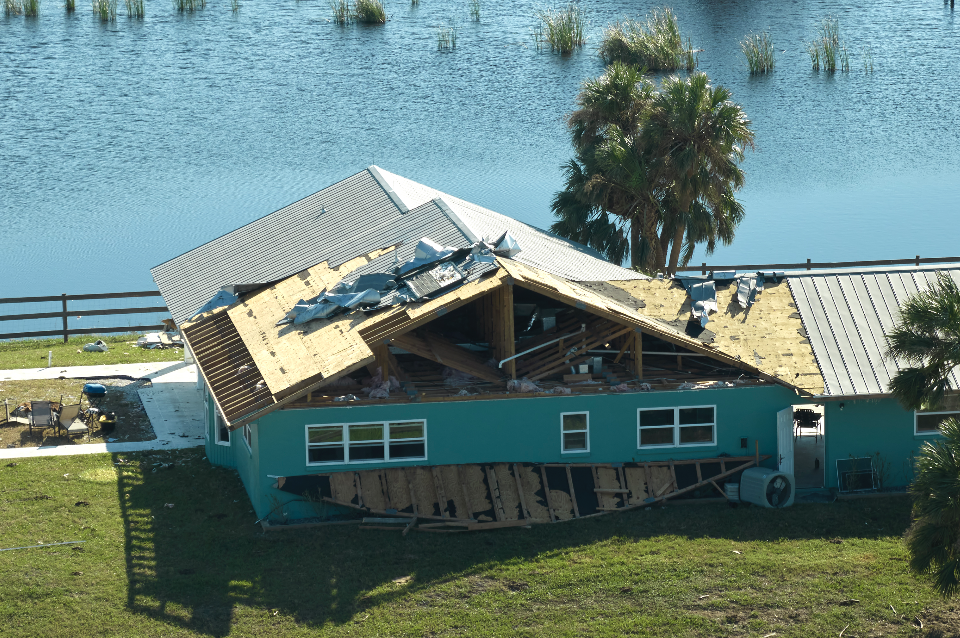
The roof takes the worst of the wind in a storm. Once wind gets under the shingles or the edge of the roof, it can peel back covering, sheathing, and sometimes the whole roof structure. With the roof open, rain pours in and ruins drywall, insulation, floors, and furniture within hours.
A strong hurricane roof protects much more than shingles:
- Your family’s safety. A roof that stays on keeps the house standing.
- Your home’s value. Buyers and insurers look closely at a roof’s age and wind rating.
- Your insurance premiums. Florida insurers give discounts for documented wind-resistant features.
- Your peace of mind. You won’t spend storm season worrying about every forecast cone.
Florida Hurricane Season: Key Dates and Peak Months
Atlantic hurricane season officially runs June 1 to November 30. Most activity happens between mid-August and mid-October, when ocean water is warmest. The National Hurricane Center publishes forecasts, storm tracks, and preparation resources all season.
The best time to upgrade or inspect your hurricane roof is before June. Once a storm is in the forecast, roofers are booked solid and materials sell out. Plan inspections and repairs for late winter or early spring.
At What Wind Speed Will a Roof Come Off?
Roof damage depends on wind speed, roof condition, and how well the roof was built. Here’s a general guide:
- 45 mph: Strong gusts can lift loose or worn shingles.
- 70–90 mph: Visible roof damage starts, especially at edges, corners, and ridges.
- 110+ mph: Poorly attached roof decking can fail and expose the home.
- 130+ mph: Whole sections of roofing, or the entire roof, can blow off homes without proper connections.
Saffir-Simpson Scale and Hurricane Roof Damage
| Category | Sustained Winds | Typical Roof Impact |
|---|---|---|
| Category 1 | 74–95 mph | Damage to shingles, gutters, and flashing |
| Category 2 | 96–110 mph | Major roof covering and siding damage |
| Category 3 | 111–129 mph | Roof decking can be removed |
| Category 4 | 130–156 mph | Severe roof structure and wall loss |
| Category 5 | 157+ mph | Total roof failure; many homes destroyed |
The most destructive storms are Category 5. Hurricane Andrew (1992) hit South Florida with sustained winds of about 165 mph. Only four Category 5 hurricanes have made landfall in the United States on record: the 1935 Labor Day Hurricane, Camille (1969), Andrew (1992), and Michael (2018). Some scientists believe warming oceans are making it more likely that storms strengthen quickly into major hurricanes. That’s one more reason to invest in a hurricane roof now.
What Is the Best Hurricane Roof Material?
Roof damage is the biggest hazard a house faces in a hurricane. How well a roof resists wind depends on its material, shape, slope, fasteners, and reinforcements. Here’s how the most common options compare.
Metal Roofing: The Top Hurricane Roof Choice
Metal is widely considered the best hurricane roof material. Standing-seam metal systems can be rated for winds of 160 mph or more when installed correctly. Metal resists impact from flying debris, sheds water quickly, and can last 40–70 years. It also reflects sunlight, which can lower cooling costs in Florida’s heat.
Concrete and Clay Tile Roofing
Tile roofs are a Florida classic, and properly installed tile can handle winds of up to about 130 mph or more depending on the attachment method. Tiles are heavy, which helps them stay put, and they can last 50+ years with maintenance. The downside is that loose or broken tiles can become flying debris, so foam-set or mechanically fastened installs and yearly inspections matter.
Asphalt Shingle Roofing
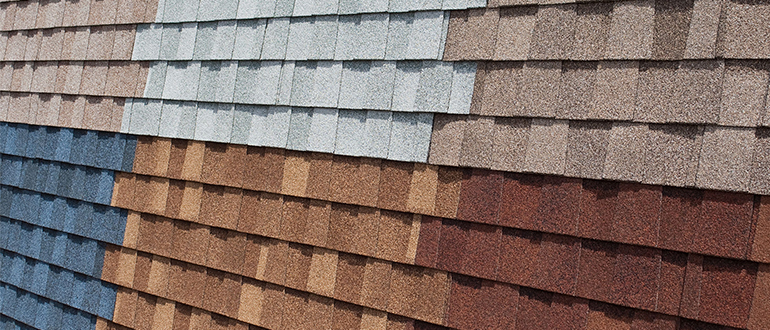
Asphalt shingles are the most affordable and easiest to install. Standard shingles are usually rated around 110 mph (ASTM D3161 Class F). Upgraded high-wind shingles with stronger sealant strips and extra nailing can reach 130–150 mph (ASTM D7158 Class H). For budget-minded homeowners, high-wind architectural shingles are a smart hurricane roof upgrade.
Natural Slate Roofing
Slate is beautiful, very durable, environmentally friendly, and recyclable. It’s typically rated to about 110 mph. Slate is heavy and expensive, though, and it’s less common in Florida than metal or tile.
Hurricane Roof Material Comparison
| Material | Typical Wind Rating | Lifespan | Relative Cost |
|---|---|---|---|
| Standing-seam metal | 140–160+ mph | 40–70 years | $$$ |
| Concrete/clay tile | 125–150 mph | 50+ years | $$$ |
| High-wind asphalt shingles | 130–150 mph | 20–30 years | $$ |
| Standard asphalt shingles | ~110 mph | 15–25 years | $ |
| Natural slate | ~110 mph | 75+ years | $$$$ |
Ratings depend on the product, installation method, and local building code. Always check the manufacturer’s rating and Florida Product Approval.
Roof Shape: Why a Hip Roof Is a Better Hurricane Roof
Shape matters as much as material. A hip roof, which slopes down on all four sides, is far more wind-resistant than a gable roof. Gable ends act like a sail and catch wind, while hip roofs let wind flow over the house.
Research and post-storm surveys consistently find:
- Four-slope hip roofs perform better than two-slope gable roofs.
- Hexagonal and octagonal shapes spread wind loads even more effectively.
- A moderate pitch (around 30 degrees) generally lowers uplift compared with very flat or very steep roofs.
- Short overhangs (under about 20 inches) give wind less surface to grab.
If you have a gable roof, gable-end bracing (covered below) is one of the most valuable hurricane roof upgrades you can make.
How Do I Reinforce My Roof? 7 Hurricane Roof Upgrades
You don’t have to replace your whole roof to make it stronger. These seven upgrades can turn an ordinary roof into a dependable hurricane roof.
1. Install Hurricane Clips or Straps
Hurricane clips (also called hurricane ties or straps) are metal connectors that fasten the roof trusses or rafters to the walls. Without them, many older homes rely only on toe-nails, which strong winds can pull right out. Clips create a continuous load path from the roof to the foundation and are one of the best ways to keep a roof from blowing off.
2. Add a Sealed Roof Deck (Secondary Water Barrier)
Even if shingles blow off, a secondary water barrier keeps rain out. That might be self-adhering membrane tape over the plywood seams or a full peel-and-stick underlayment. This upgrade greatly reduces interior water damage, which causes much of a storm’s cost.
3. Use Enhanced Roof Deck Attachment
Florida’s current code requires stronger nailing for roof sheathing. Using 8d ring-shank nails at closer spacing helps keep the plywood decking attached during strong uplift. Ask about this during any reroof, because it’s inexpensive while the deck is exposed.
4. Upgrade to Hurricane-Rated Roofing Materials
When it’s time to replace your roof, choose materials with a high wind rating and Florida Product Approval. Swapping old shingles for Class H high-wind shingles, metal, or properly fastened tile gives you a much stronger hurricane roof.
5. Secure Roof Edges and Drip Edge
Wind damage usually starts at the edges, corners, and ridges. Properly fastened drip edge, edge metal, and starter strips with sealant stop wind from getting under the roofing. Small details here make a big difference.
6. Brace Gable Ends
Gable end walls are a well-known weak point. Adding gable-end bracing inside the attic stops these walls from collapsing inward or outward under wind pressure. It’s a relatively low-cost upgrade with a big impact.
7. Schedule Regular Professional Inspections
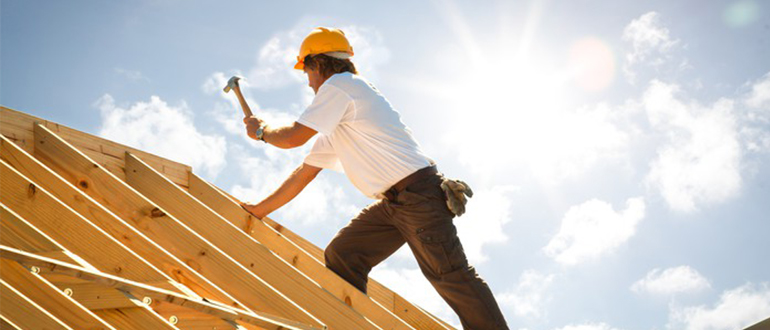
A hurricane roof is only as strong as its weakest shingle. Have a licensed roofer inspect your roof every year and after every major storm. They’ll catch lifted shingles, cracked tiles, worn flashing, and failing sealant before the next hurricane does.
Hurricane Roof Preparation Checklist
Use this checklist every spring before hurricane season:
- ☐ Schedule a professional hurricane roof inspection
- ☐ Replace missing, cracked, or curling shingles and tiles
- ☐ Reseal flashing around chimneys, vents, and skylights
- ☐ Clean gutters and downspouts so water drains quickly
- ☐ Trim tree branches overhanging the roof
- ☐ Secure or store loose outdoor items that could hit the roof
- ☐ Check attic for daylight, leaks, or loose connections
- ☐ Photograph your roof for insurance records
- ☐ Review your homeowners insurance wind coverage and deductible
Wind Mitigation: How a Hurricane Roof Lowers Insurance Costs
Florida law requires insurers to offer discounts for wind-resistant features. A wind mitigation inspection documents your roof’s covering, deck attachment, roof-to-wall connections, roof shape, and secondary water barrier. Homeowners with hurricane clips, a hip roof, and a sealed deck often see real savings on the wind part of their premium.
If your home is older, a wind mitigation inspection can also show which hurricane roof upgrades give you the best return. Ask your roofer or insurance agent whether you qualify.
After the Storm: Checking for Hurricane Roof Damage
Once it’s safe to go outside, look for these warning signs from the ground. Don’t climb on a wet or damaged roof.
- Missing, lifted, or creased shingles
- Cracked or displaced tiles
- Dented or loose metal panels
- Granules collecting in gutters
- Bent flashing or damaged vents
- Water stains on ceilings or in the attic
Photograph everything, cover openings with a tarp if you can do so safely, and call a licensed roofer and your insurance company right away. Fast action prevents mold and further water damage.
Hurricane Roof FAQs
What is the best hurricane roof for Florida homes?
Standing-seam metal is generally the top choice because of its high wind rating, debris resistance, and long life. High-wind tile and Class H asphalt shingles are also strong options.
How much wind can a hurricane roof withstand?
It depends on materials and installation. Quality metal roofs can be rated to 160+ mph, tile to about 125–150 mph, and high-wind shingles to 130–150 mph.
Do hurricane clips really work?
Yes. Hurricane clips connect the roof structure to the walls, creating a continuous load path that greatly lowers the chance of roof uplift in high winds.
How often should I inspect my hurricane roof?
At least once a year, ideally before June 1, and again after any major storm.
Can a hurricane roof lower my insurance premium?
Often, yes. Florida insurers must offer wind mitigation discounts for features like hurricane clips, hip roofs, enhanced deck attachment, and secondary water barriers.
Get a Free Hurricane Roof Inspection in Orlando
Castle Roofing Group is your local Orlando roofer, known for fair pricing and excellent workmanship. Whether you need a pre-season check, storm damage repair, or a full hurricane roof replacement, our team gives honest advice before, during, and after hurricane season.
👉 Schedule a free roof inspection or call us at (407) 477-2823.
Explore our services: